
A webinar marketing strategy is not just promotion. Promotion is how you tell people about the webinar. Strategy is how you attract the right people, get them to register, get them to attend, and get them to convert. Each of those is a different challenge, and a strategy that addresses only promotion will fill the top of the funnel but leak at every stage below.
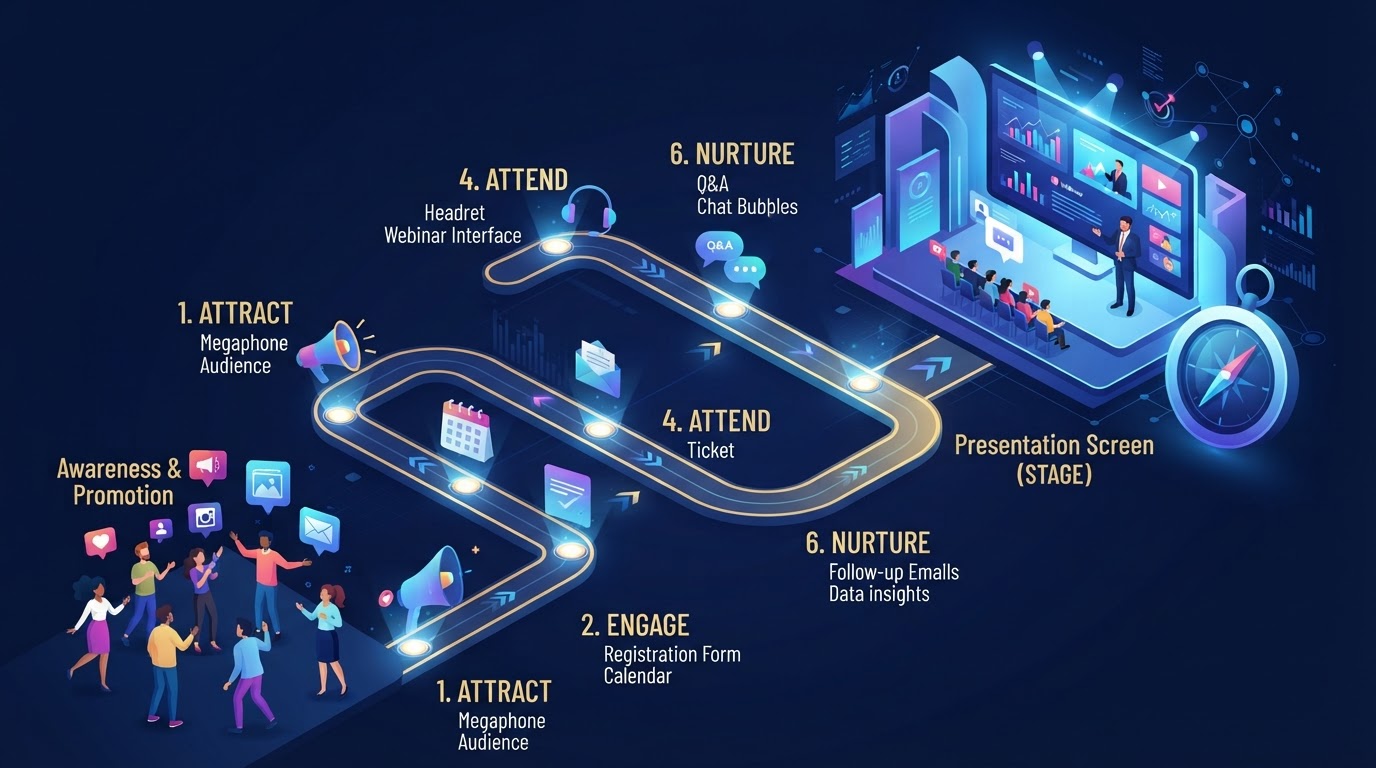
The strategy has four layers: audience, acquisition, attendance, and conversion. Each layer builds on the one before it. Skip a layer, and the funnel breaks.
Layer 1: Audience definition
Before you promote anything, define who the webinar is for. Not demographically — behaviorally. What problem does this person have? What have they already tried? What are they searching for? What would make them register for a webinar right now?
The audience definition determines everything downstream. The registration page copy speaks to this person. The traffic sources target this person. The webinar content addresses this person's problem. The offer matches this person's needs. A webinar marketed to 'small business owners' will convert poorly because the audience is too broad. A webinar marketed to 'small business owners losing leads because they cannot follow up fast enough' will convert well because the audience is specific.
Layer 2: Acquisition
Acquisition is how you get the right people to the registration page. The sources are paid ads, organic search, email, social media, and partnerships. Each source has characteristics that affect the quality and cost of the registrants.
- Paid ads — fast, controllable, scalable. You can target specific audiences and start driving registrations within hours. The cost per registrant is measurable. The risk is that ad costs can exceed the value of the leads if the funnel does not convert downstream.
- Organic search — slow, sustainable, low cost per lead. A blog post or SEO page that ranks for a relevant search term drives continuous traffic to the registration page. The cost is the time to create and rank the content. The benefit is that the traffic is free and ongoing.
- Email — the lowest cost source if you have a list. An email to your existing subscribers drives registrations at no marginal cost. The limitation is list size and the fact that you are reaching people who already know you, not new prospects.
- Social media — variable. Organic social reach is declining, but social can drive registrations if the content is shareable. Paid social ads can target specific audiences similar to paid search.
- Partnerships — other businesses promoting your webinar to their audience. High quality if the partner's audience matches yours. The cost is usually a revenue share or reciprocal promotion.
The strongest acquisition strategies use multiple sources. Paid for speed and control. Organic for sustainability. Email for efficiency. The mix depends on budget, timeline, and the audience definition. For an evergreen webinar that runs continuously, organic search becomes particularly valuable — it drives a steady stream of registrants at no marginal cost, month after month.
Layer 3: Attendance
Getting someone to register is not the same as getting them to attend. The attendance layer is about converting registrants into attendees — and this is where most webinar marketing strategies fail. The registrant signs up, waits, and does not show up.
Two strategies address this. First, just-in-time sessions that start within minutes of registration, eliminating the wait that kills intent. Second, reminder sequences — email and SMS — that keep the webinar top-of-mind. The combination produces the highest attendance rates.
The reminder sequence should include a confirmation email immediately after registration, a reminder 24 hours before, a reminder 1 hour before, and a 'starting now' message at the session time. For SMS, a single reminder 15 minutes before the session is usually sufficient — SMS is intrusive, so use it sparingly.
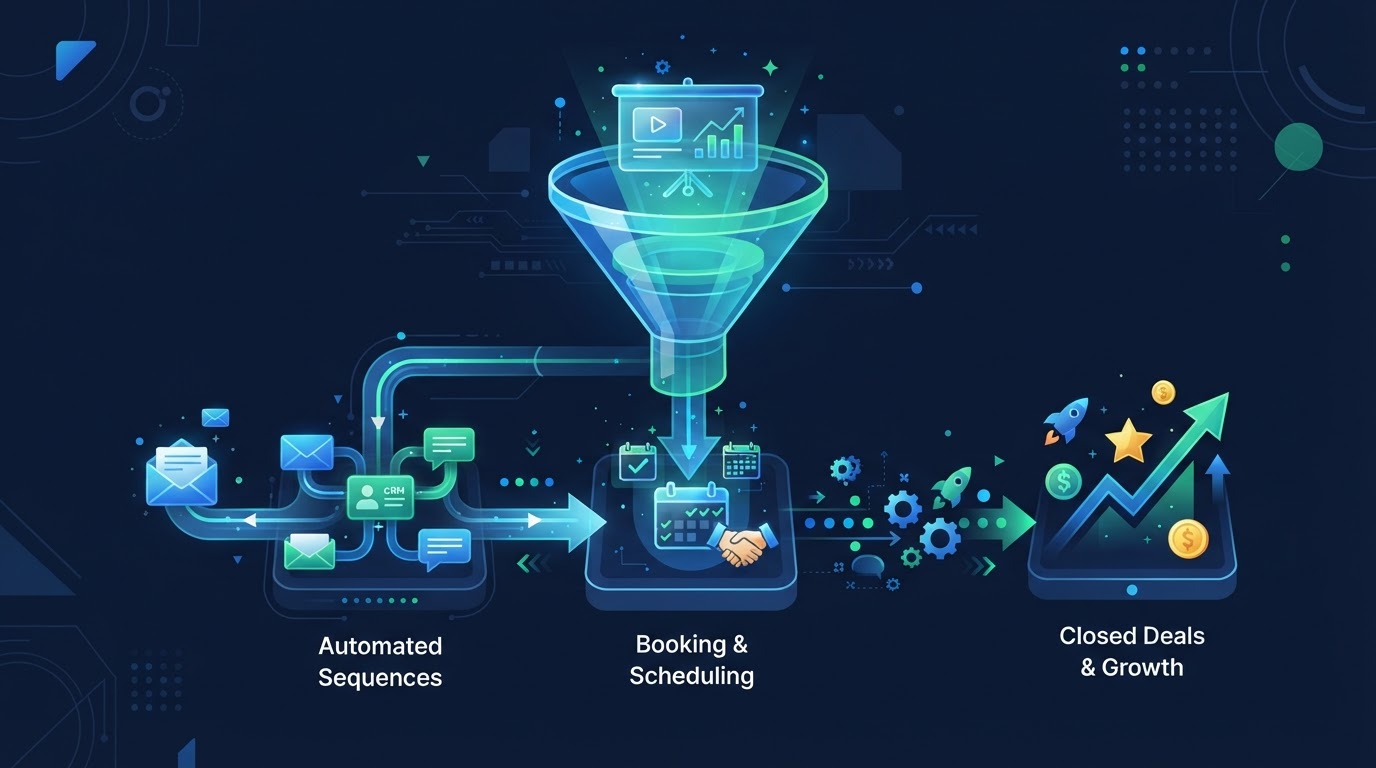
Webinar marketing is four layers: audience (define who), acquisition (get them to the page), attendance (get them to show up), and conversion (get them to act). Most strategies address only acquisition — promotion — and leak at attendance and conversion. Build all four layers.
Layer 4: Conversion
Conversion is getting the attendee to take the desired action — book a consultation, start a trial, purchase. This layer is driven by the webinar itself (the offer, the structure, the engagement) and the follow-up (behavioral, segmented, immediate).
The marketing strategy's role at this layer is to ensure the follow-up is in place before the webinar runs. Too many businesses promote a webinar, get attendees, and then scramble to write follow-up emails after the session. By then, the attendees' interest has decayed. The follow-up should be built and tested before the first attendee arrives — so it goes out automatically, immediately, and to the right segments.
The evergreen advantage
For a live webinar, the marketing strategy is a campaign — it has a start date, a promotion period, the event, and the follow-up. For an evergreen or just-in-time webinar, the strategy is continuous. Traffic flows in every day. Registrations happen every day. Sessions run every day. Follow-up goes out every day. The webinar becomes a persistent marketing asset, not a campaign.
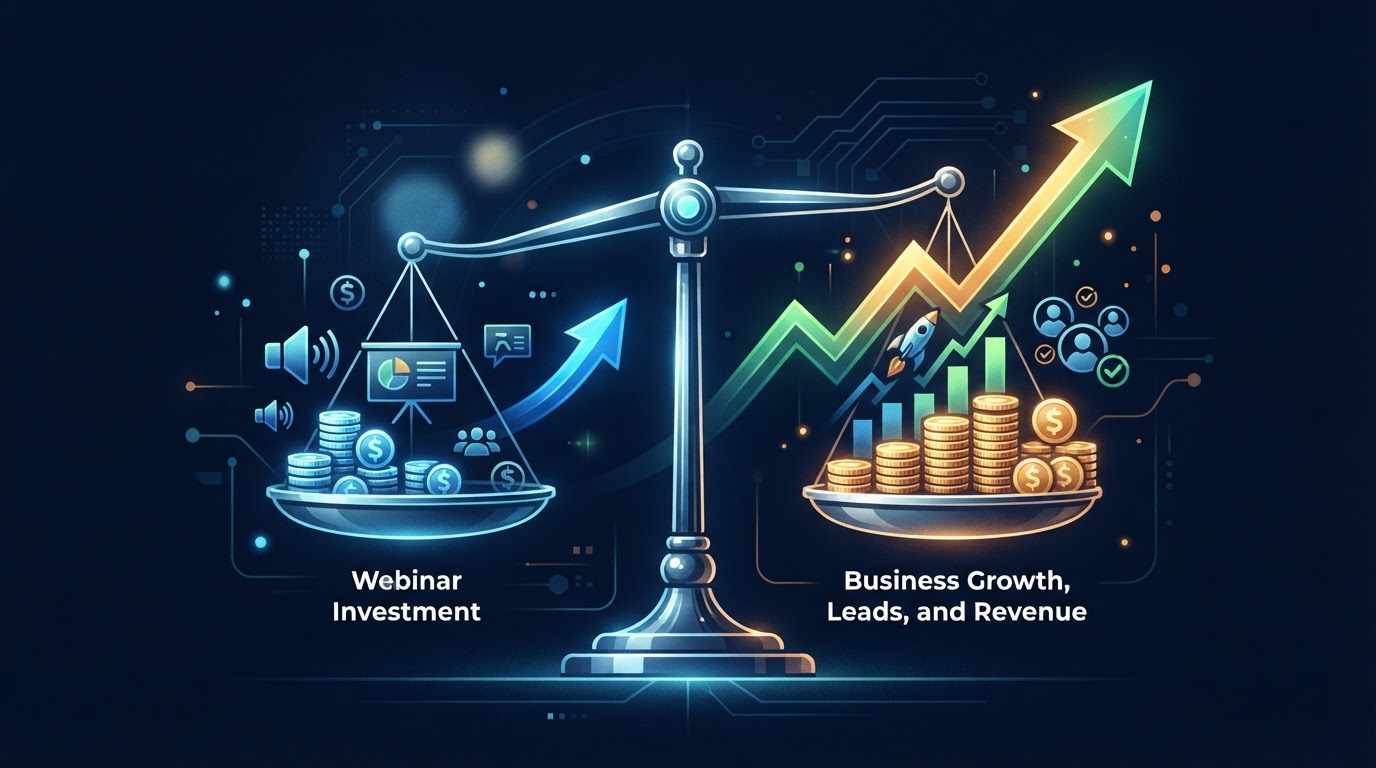
This changes the economics. A live webinar's marketing cost is amortized over one session. An evergreen webinar's marketing cost is amortized over hundreds of sessions. The cost per registrant, per attendee, and per conversion all decrease as the webinar runs longer. This is why evergreen webinars — with AI engagement and automated follow-up — are the most efficient marketing asset a business can build.
See AI webinars in action
Watch how WebinarBoostAi creates, presents, and engages with webinars using AI.
Book A DemoFrequently Asked Questions
What is a webinar marketing strategy?
A webinar marketing strategy has four layers: audience definition (who the webinar is for, specifically), acquisition (how to get them to the registration page), attendance (how to get registrants to show up), and conversion (how to get attendees to act). Most strategies address only acquisition — promotion — and leak at attendance and conversion.
How do I promote a webinar?
Use multiple sources: paid ads for speed and control, organic search for sustainable low-cost traffic, email for efficiency if you have a list, social media for shareable content, and partnerships for high-quality audiences. For evergreen webinars, organic search is particularly valuable — it drives continuous registrants at no marginal cost.
How do I get people to attend my webinar?
Two strategies: offer just-in-time sessions that start within minutes of registration (eliminating the wait that kills intent), and send a reminder sequence — confirmation email, 24-hour reminder, 1-hour reminder, and a 'starting now' message. For SMS, a single reminder 15 minutes before is usually sufficient.
What is the best traffic source for webinars?
There is no single best source. Paid ads are fast and controllable but cost money. Organic search is slow but sustainable and free. Email is the lowest cost but limited by list size. The strongest strategies use multiple sources — paid for speed, organic for sustainability, email for efficiency.
How is marketing an evergreen webinar different from a live one?
A live webinar is a campaign with a start and end. An evergreen webinar is a continuous asset — traffic, registrations, sessions, and follow-up happen every day. The marketing cost is amortized over hundreds of sessions instead of one, making the cost per conversion lower the longer the webinar runs.