
Every business has a best sales presentation. It is the pitch that the founder or the top salesperson delivers that consistently converts. It works because it is well-structured, well-rehearsed, and delivered by someone who understands the prospect's problem deeply. The problem is that this presentation depends on that person being available to deliver it.
This creates a ceiling. The best presentation can only be delivered as many times as the best presenter has hours. The prospects who get the pitch convert. The prospects who do not get the pitch — because the presenter was busy, or the prospect could not schedule a call, or the timing was wrong — do not. The business's conversion is capped by the presenter's calendar.
What an automated sales presentation is
An automated sales presentation is the best pitch, recorded or AI-generated, running on every prospect's schedule. The prospect registers, watches the presentation, asks questions, and sees the offer — without the presenter being present. The presentation that could only run when the presenter was available now runs continuously.
The key distinction is that this is not a generic marketing video. It is the actual sales pitch — the one that works — delivered automatically. The structure, the examples, the objection handling, the offer — all the elements that make the live presentation effective are preserved. What is removed is the dependency on the presenter's time.
The three components
An effective automated sales presentation has three components that together replicate the live experience.
- The presentation — the recorded or AI-generated pitch, structured the same way the live version is. Same problem-solution-offer arc. Same examples. Same objection handling. Same close.
- The engagement — AI Q&A that answers prospect questions in real time during the presentation. This is what separates an automated sales presentation from a video. The prospect can ask questions and get answers — about pricing, about features, about comparisons — without a human in the chat.
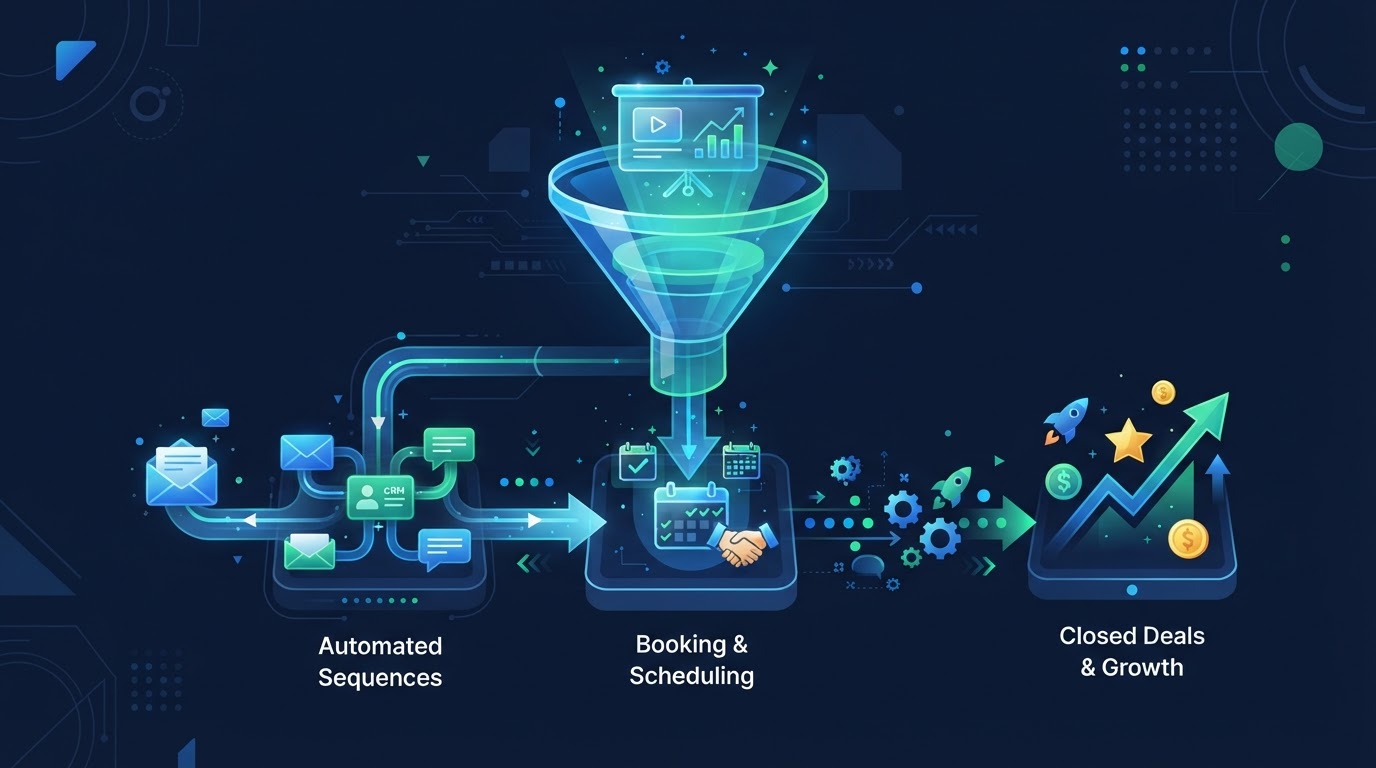
- The follow-up — behavioral sequences that respond to what each prospect did. Full viewers get a direct CTA. Offer-clickers get a reminder. Question-askers get a tailored response. The follow-up is where the majority of conversions happen.
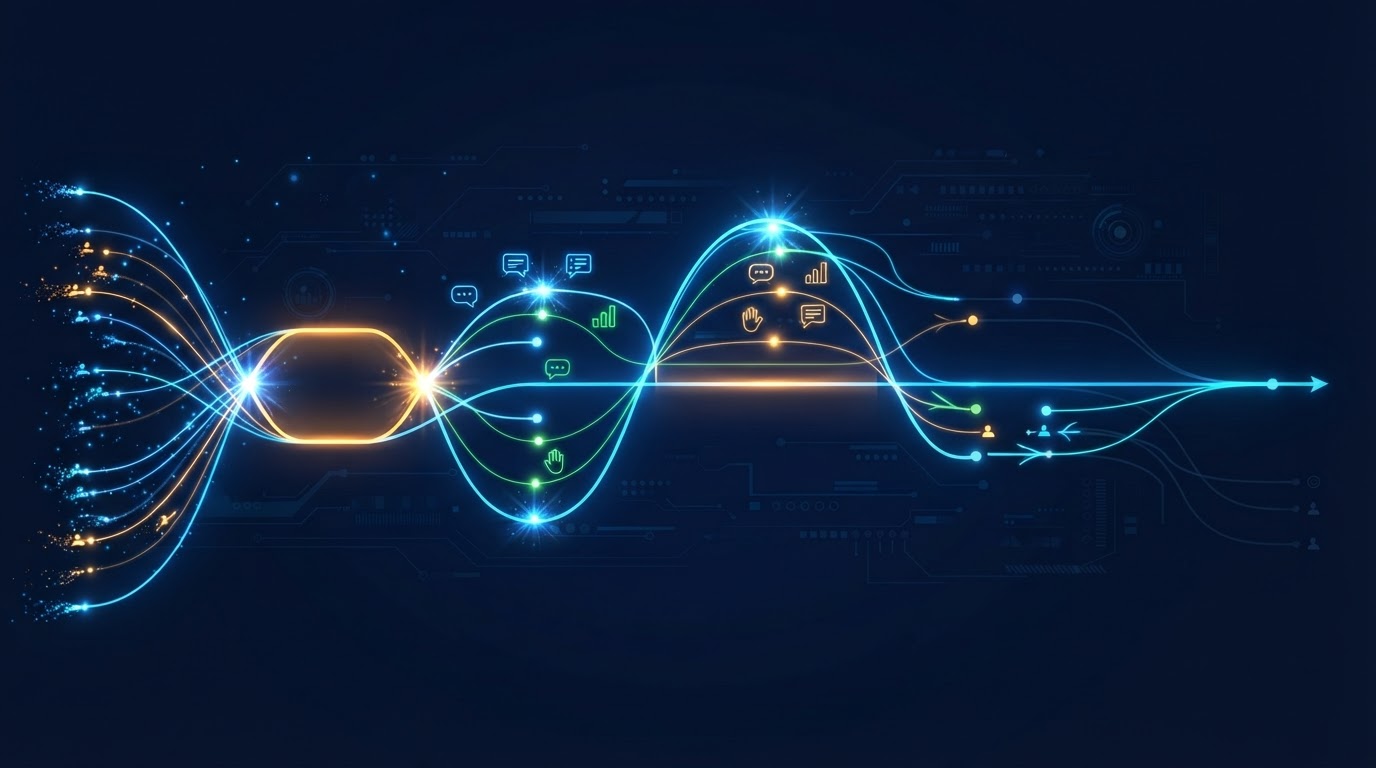
Without all three, the automated sales presentation is incomplete. The presentation without engagement is a video — passive, with no way for the prospect to ask questions. The presentation with engagement but without follow-up captures interest but does not convert it. All three together replicate the live sales experience at scale.
Your best presentation should not depend on you being available to deliver it. An automated sales presentation preserves the pitch — the structure, the examples, the offer — and adds AI engagement and behavioral follow-up. The presentation scales. The engagement scales. The follow-up scales. The presenter's calendar is no longer the ceiling.
When automated sales presentations work best
Automated sales presentations work best when the pitch is relatively consistent across prospects. If your sales presentation changes significantly for every prospect — different problems, different offers, different structures — automation is less effective. But for most businesses, the core pitch is consistent. The prospect's specific situation varies, but the presentation that explains the problem, the solution, and the offer is largely the same.
They also work best when the prospect's questions are predictable. If prospects consistently ask about pricing, features, comparisons, and implementation — and most do — the AI Q&A can handle those questions using the knowledge base. The questions that are unpredictable or require individualized judgment are escalated to a human consultation. The automated presentation handles the predictable 80%. The human handles the complex 20%.
The hybrid sales model
The most effective approach is not fully automated or fully manual. It is a hybrid: the automated sales presentation handles the education and qualification, and the human sales call handles the relationship and closing. The prospect watches the automated presentation, asks questions to the AI, and arrives at the sales call educated and qualified. The salesperson does not spend the first 30 minutes explaining basics — they spend the call on the prospect's specific situation.
This model increases the sales team's capacity. Each salesperson can handle more conversations because each conversation starts further along — the prospect is already educated, already qualified, and already interested. The automated presentation did the work that the salesperson used to do repeatedly. The salesperson does the work that only a human can do: building trust, handling complex objections, and closing the deal.
Measuring the impact
The impact of an automated sales presentation is measured in two ways. First, direct conversions — prospects who watch the presentation and convert without a sales call. For lower-priced or self-service offers, this may be a significant percentage. Second, sales call efficiency — the reduction in time per call and the increase in conversion rate per call, because prospects arrive educated and qualified.
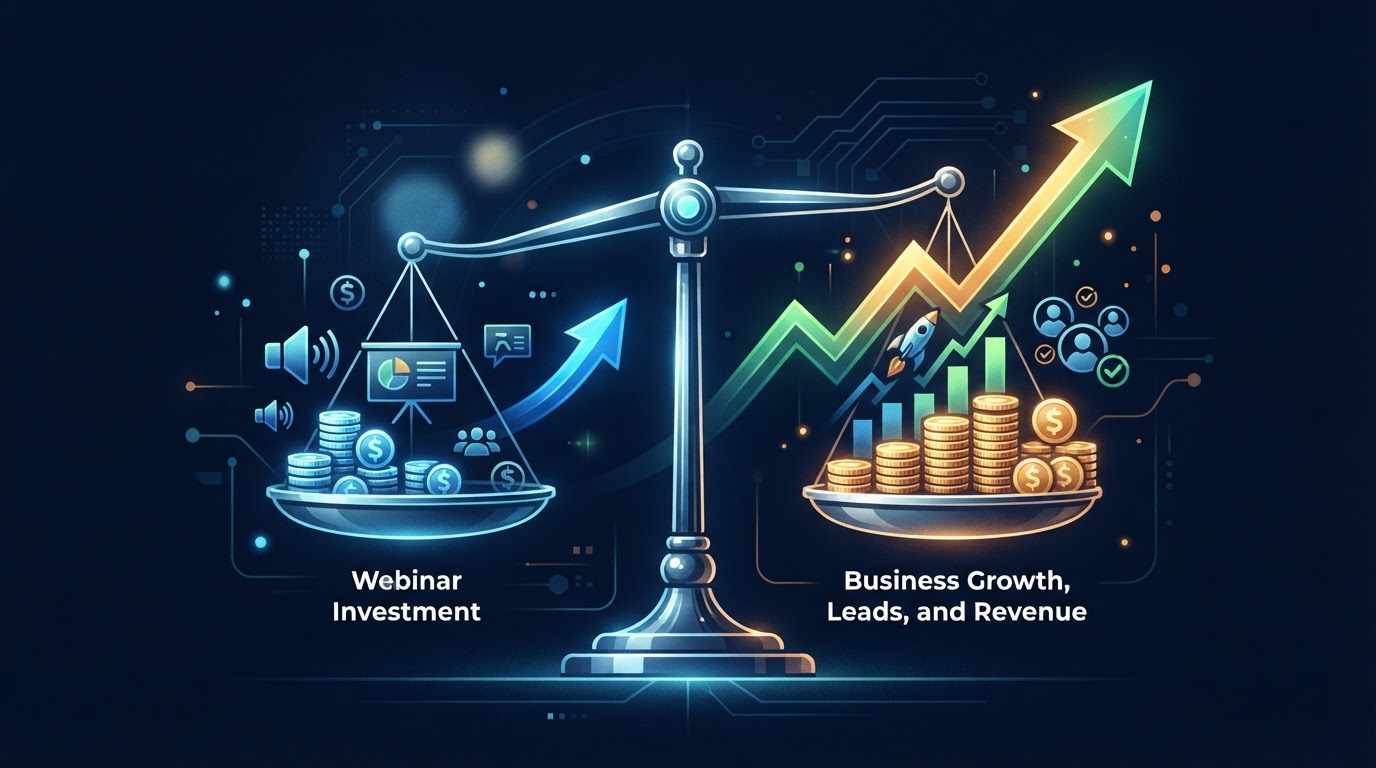
Both metrics should be tracked. The direct conversions represent revenue that did not require sales team time. The sales call efficiency represents capacity recovered — more conversations per salesperson, higher conversion per conversation. Together, they represent the value of separating the presentation from the presenter: the pitch scales, the human focuses on the conversations that require judgment, and the business grows without being capped by the presenter's calendar.
See AI webinars in action
Watch how WebinarBoostAi creates, presents, and engages with webinars using AI.
Book A DemoFrequently Asked Questions
What is an automated sales presentation?
An automated sales presentation is your best sales pitch — recorded or AI-generated — running on every prospect's schedule. It includes three components: the presentation (same structure, examples, and offer as the live version), AI Q&A (answering prospect questions in real time), and behavioral follow-up (segmented by prospect behavior). It scales the pitch without requiring the presenter's time.
How do automated sales presentations work?
The prospect registers, watches the pre-recorded or AI-generated pitch, asks questions that the AI answers in real time using your knowledge base, and sees the offer. Behavioral follow-up then segments prospects by what they did — full viewers get a direct CTA, offer-clickers get a reminder, question-askers get a tailored response. The presentation scales; the engagement and follow-up are automated.
When should I use automated sales presentations?
When your core pitch is relatively consistent across prospects and when prospect questions are predictable (pricing, features, comparisons, implementation). The automated presentation handles the predictable 80% of the sales conversation. The human handles the complex 20% that requires individualized judgment.
Can automated sales presentations replace sales calls?
For lower-priced or self-service offers, partially — some prospects convert directly. For complex sales, no — but the automated presentation makes the sales call more efficient. The prospect arrives educated and qualified, so the salesperson spends the call on the prospect's specific situation, not on explaining basics. This increases capacity and conversion per call.
How do I measure automated sales presentation impact?
Two metrics: direct conversions (prospects who convert without a sales call) and sales call efficiency (reduction in time per call and increase in conversion rate per call, because prospects arrive educated). Both represent value — direct revenue without sales team time, and capacity recovered for more and better conversations.