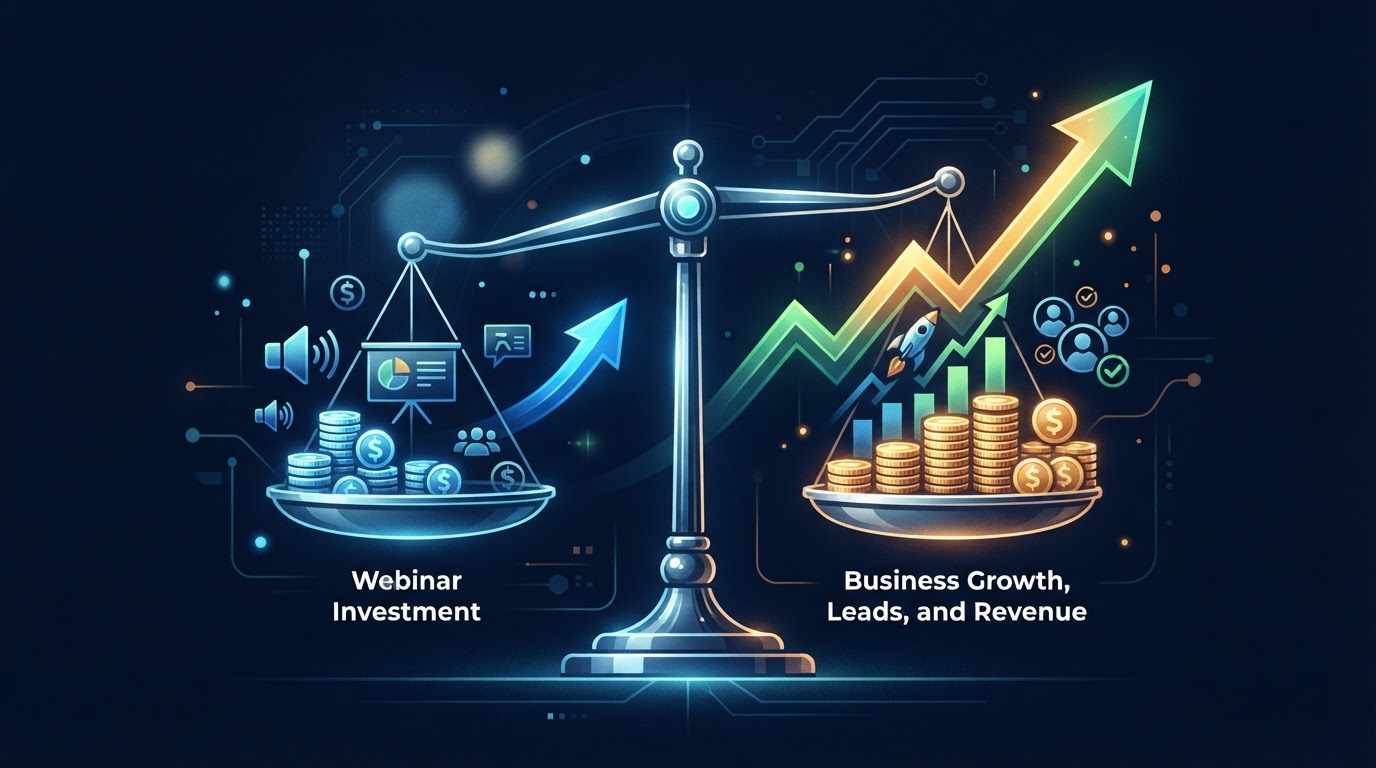

Most businesses treat the webinar as the conversion event. They pour effort into the presentation, the slides, the registration page — then send one follow-up email to everyone who attended and one to everyone who did not. That approach leaves the majority of conversions on the table.
The reality is that the webinar is the education event. The follow-up is the conversion event. The presentation builds interest. The follow-up converts that interest into action. And the difference between a generic follow-up and a behavioral one is often the difference between a webinar that pays for itself and one that does not.
The problem with generic follow-up
A generic follow-up sends the same message to every registrant regardless of what they did. The person who watched 95% of the webinar and clicked the offer gets the same email as the person who registered and never showed up. This makes no sense. These two people are at completely different stages of intent.
The high-intent attendee — the one who watched most of the presentation and engaged with the offer — needs a direct push. A reminder, a deadline, a personal invitation. The low-intent registrant — the one who never attended — needs the replay and a reason to watch. Sending the same message to both means the high-intent person gets too little and the low-intent person gets too much.
Behavioral follow-up: the four segments
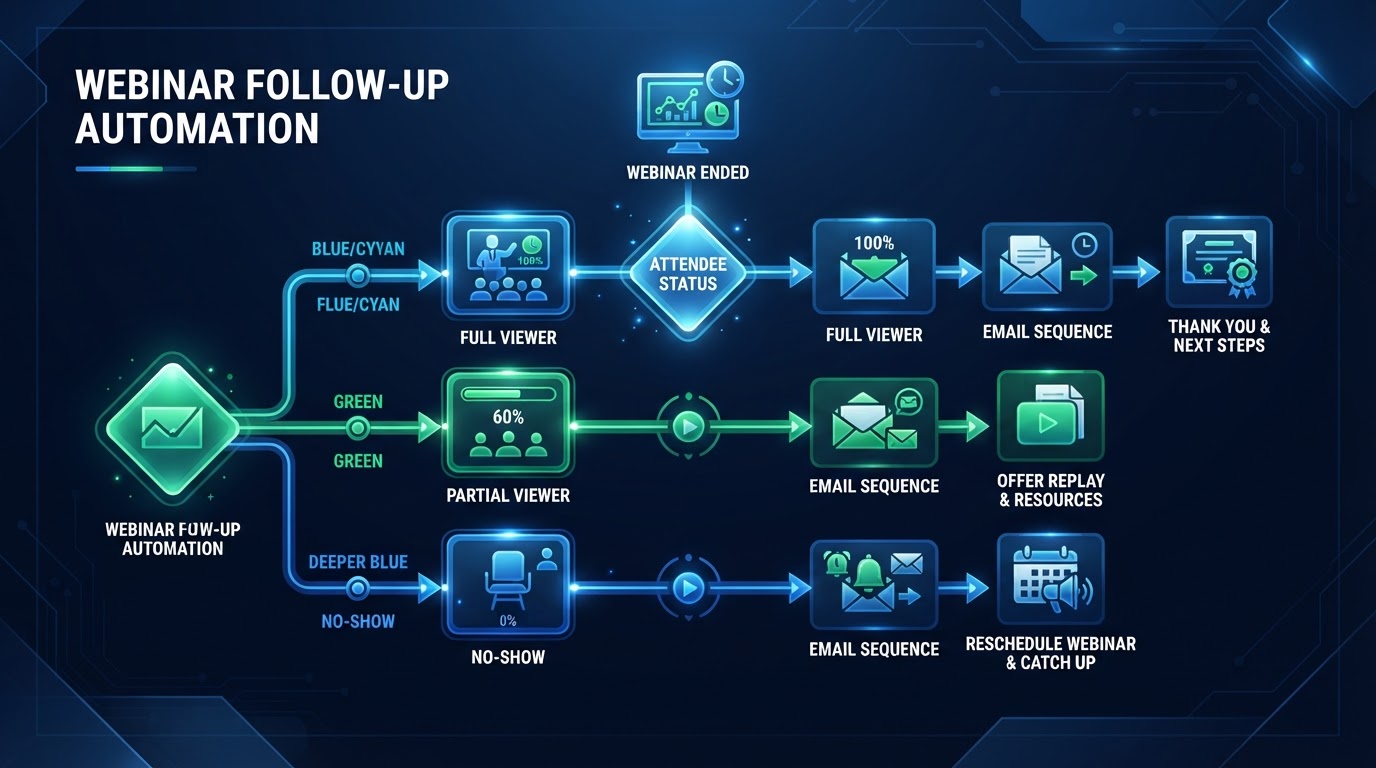
Behavioral follow-up segments attendees based on what they actually did during the webinar. There are four primary segments, each with a different follow-up strategy.
- No-shows — registered but never attended. Send the replay with a compelling reason to watch. These people had interest but lost it between registration and the session. The replay recaptures them.
- Partial viewers — attended but watched less than 50%. Send content related to the part they missed. These people had interest but lost it during the presentation. Give them a reason to come back.
- Full viewers — watched most of the webinar. Send a direct call to action. These people are the highest intent. They invested their time. Make the next step obvious and urgent.
- Offer-clickers — clicked the offer but did not complete. Send a reminder with risk reduction. These people wanted to act but hesitated. Address the objection that stopped them.
Each segment gets a different message because each segment is at a different stage. The no-show needs education. The partial viewer needs re-engagement. The full viewer needs a push. The offer-clicker needs reassurance. One sequence cannot serve all four. Four sequences can.
Timing matters more than content
The first follow-up should go out within an hour of the webinar ending. The attendee's interest is highest immediately after the session. Every hour that passes, that interest decays. By 24 hours, a significant portion of the intent is gone. By 72 hours, most of it is.
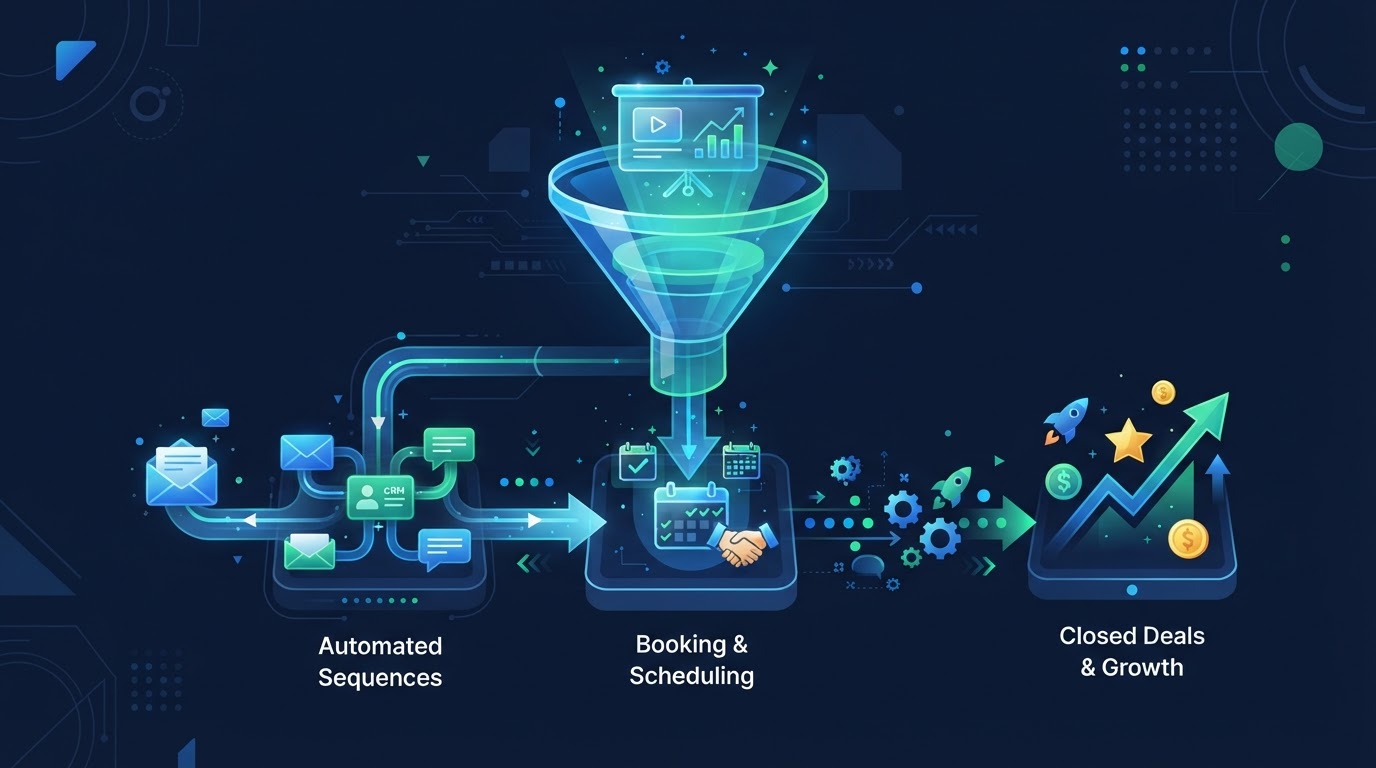
This is why automated follow-up is not a convenience. It is a conversion requirement. A human sending follow-up emails manually cannot respond within an hour to every attendee — especially if the webinar runs at 9 PM and the team has gone home. The follow-up that goes out the next morning reaches an audience whose interest has already cooled. Automated behavioral follow-up sends the right message to the right person at the right time — within minutes, not days.
The webinar captures interest. The follow-up converts it. If the follow-up is generic, delayed, or manual, you are losing the majority of the conversions your webinar earned. Behavioral, automated, immediate — that is the standard.
The offer-clicker: the highest-leverage segment
The offer-clicker is the most valuable segment and the most neglected. This person watched the webinar, saw the offer, clicked through to the booking or checkout page — and did not complete. They wanted to act. Something stopped them. Price, timing, doubt, distraction.
This segment converts at a higher rate than any other when followed up correctly. The follow-up should address the most common objection directly. If price was the concern, offer a payment plan or a lower-tier option. If timing was the concern, offer a flexible schedule. If doubt was the concern, offer a guarantee or a no-risk first step. The offer-clicker is one objection away from converting. Find the objection and remove it.
What to measure
Follow-up effectiveness is measured at each segment. Track the open rate, click rate, and conversion rate for each sequence. If the no-show replay has a low open rate, the subject line or the replay hook needs work. If the full-viewer CTA has a low click rate, the offer or the urgency needs work. If the offer-clicker reminder has a low conversion rate, the objection handling needs work.
The webinar itself tells you what happened. The follow-up tells you what to fix. Measure both, and you have a complete picture of where your funnel leaks and how to close it.
See AI webinars in action
Watch how WebinarBoostAi creates, presents, and engages with webinars using AI.
Book A DemoFrequently Asked Questions
What is webinar follow-up strategy?
Webinar follow-up strategy is the sequence of communications sent to attendees after the webinar ends. The most effective approach is behavioral follow-up — sending different messages to different segments based on what each attendee did during the session, rather than one generic email to everyone.
How soon should I follow up after a webinar?
Within one hour. Attendee interest is highest immediately after the session and decays rapidly. By 24 hours, much of the intent is gone. Automated behavioral follow-up sends the right message to each segment within minutes, not days.
What are the main webinar follow-up segments?
Four segments: no-shows (send the replay), partial viewers (send content from the part they missed), full viewers (send a direct call to action), and offer-clickers (send a reminder addressing their objection). Each segment is at a different stage of intent and needs a different message.
How do I follow up with webinar no-shows?
Send the replay with a compelling reason to watch. No-shows had interest at registration but lost it before the session. The replay recaptures that interest. Send it within 24 hours and frame it around the key value the attendee missed.
What is the highest-converting webinar follow-up segment?
Offer-clickers — attendees who clicked the offer but did not complete. They wanted to act but were stopped by an objection. Follow up addressing that objection directly (price, timing, doubt) and this segment converts at the highest rate.