

The biggest leak in most webinar funnels is not the presentation or the offer. It is the gap between registration and attendance. An interested prospect finds your webinar, registers, and then waits. Two days. Three days. A week. By the time the session starts, the interest that drove the registration has decayed — and a significant portion of registrants never show up.
Just-in-time webinars address this directly. Instead of asking the registrant to wait for a scheduled session, the webinar starts within minutes of registration. The attendee's interest is at its peak. They attend while that interest is still hot. The gap that killed conversions is eliminated.
How just-in-time webinars work
The mechanics are simple. A visitor lands on your registration page. Instead of a calendar of future session times, they see an option to watch now — or within a short window, typically 5 to 15 minutes. They enter their name and email. The webinar starts. No waiting. No scheduling. No decay.
Behind the scenes, the presentation is pre-recorded — the same recording used for evergreen sessions. The difference is the timing. Evergreen plays on a schedule. Just-in-time plays on demand. The attendee experiences the presentation as an event that started for them, not a recording they found.
Why timing matters more than content
This is counterintuitive, but the data is consistent: the time between registration and attendance predicts conversion more reliably than the presentation quality. A mediocre webinar watched by someone whose interest is peaking converts better than an excellent webinar watched by someone who registered a week ago and forgot why.
The reason is attention. When someone registers for a webinar, they are in a moment of active interest. They searched, they found your page, they decided to register. That moment is valuable. Every hour that passes, the moment fades. Other priorities take over. The webinar becomes an item on a to-do list, not an active interest. By the time the session starts, the registrant is a different person than the one who registered.
The registration moment is the highest-intent moment in the entire funnel. Just-in-time webinars capture it. Scheduled webinars waste it.
When to use just-in-time versus evergreen
Just-in-time and evergreen are not competing formats. They serve different purposes, and the best funnels use both.
- Just-in-time — best for high-intent traffic. Paid ads, search visitors, people who arrived looking for a solution. These people are ready now. Give them the webinar now.
- Evergreen — best for lower-intent traffic. Email subscribers, social media followers, people who are interested but not urgent. These people benefit from the anticipation of a scheduled session.
- Hybrid — offer both. Let the registrant choose. High-intent visitors pick just-in-time. Lower-intent visitors pick a scheduled session. The same presentation serves both.
The hybrid approach is usually the strongest. It does not force the registrant into a format that does not match their intent. The person who wants to watch now can. The person who wants to plan ahead can. The presentation is the same. The format adapts to the attendee, not the other way around.
The 9:47 PM problem
Consider a prospect who finds your webinar at 9:47 PM. They are interested. They want to learn. But your next scheduled session is Tuesday at 2 PM. They register. They go to bed. Tuesday at 2 PM, they are in a meeting. They miss the session. You send a replay. They intend to watch it. They never do.
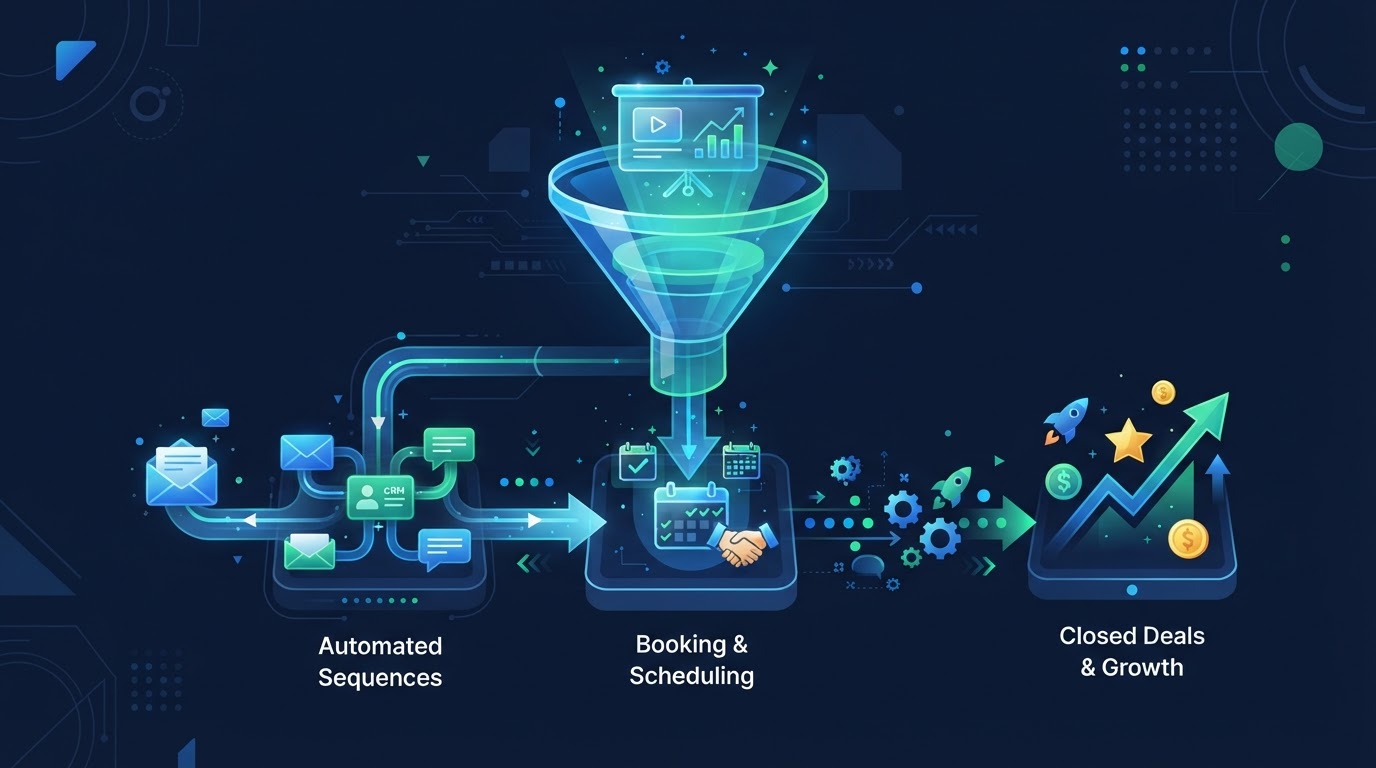
With a just-in-time option, that same prospect registers at 9:47 PM and watches the webinar at 9:52 PM. Their interest is captured in the moment it exists. The follow-up goes out immediately. By the time they wake up the next morning, they have already watched the webinar, asked questions, and potentially booked a call. The timing changed everything.
This is not a hypothetical. It is the structural advantage of just-in-time: it captures intent whenever it occurs, not just during business hours. For businesses that generate leads outside normal operating hours — which is most businesses with an online presence — just-in-time is the format that converts those leads instead of losing them.
See AI webinars in action
Watch how WebinarBoostAi creates, presents, and engages with webinars using AI.
Book A DemoFrequently Asked Questions
What is a just-in-time webinar?
A just-in-time webinar starts within minutes of registration, rather than requiring the attendee to wait for a scheduled session. The pre-recorded presentation plays on demand, capturing the attendee's interest at its peak before it decays.
How is just-in-time different from evergreen?
Evergreen webinars play on a recurring schedule — the attendee picks a future time and waits. Just-in-time webinars start shortly after registration, often within minutes. Evergreen creates anticipation; just-in-time captures immediate intent.
Do just-in-time webinars convert better?
They convert better for high-intent traffic because they eliminate the gap between registration and attendance — the period where intent decays. The best approach is hybrid: offer just-in-time for high-intent visitors and scheduled evergreen sessions for those who prefer to plan ahead.
When should I use a just-in-time webinar?
Use just-in-time for high-intent traffic — paid ads, search visitors, people who arrived looking for a solution. These people are ready now. Use evergreen for lower-intent traffic that benefits from anticipation. Offer both when possible.
What is the 9:47 PM problem?
A prospect finds your webinar at 9:47 PM but the next session is days away. They register, lose interest, and never attend. Just-in-time solves this by starting the webinar within minutes, capturing the interest in the moment it exists — regardless of the time of day.