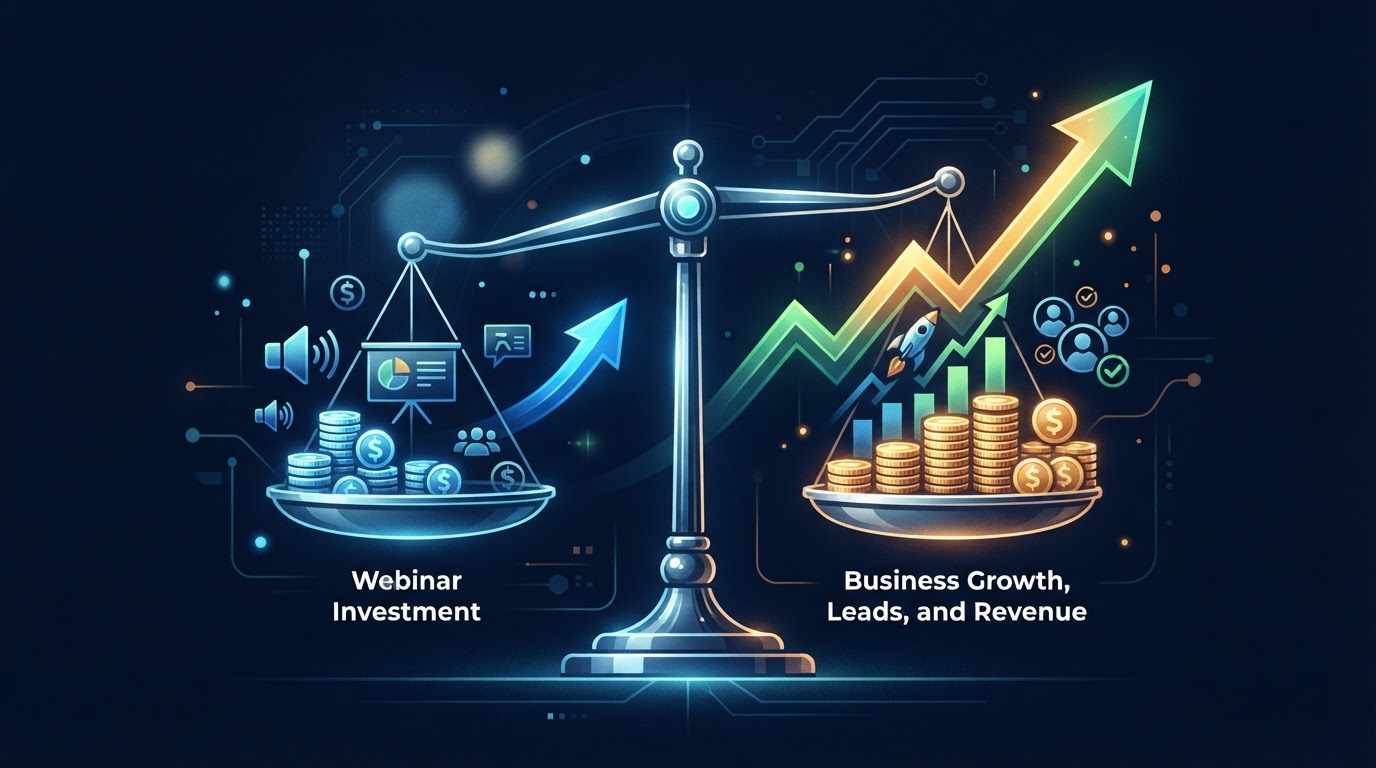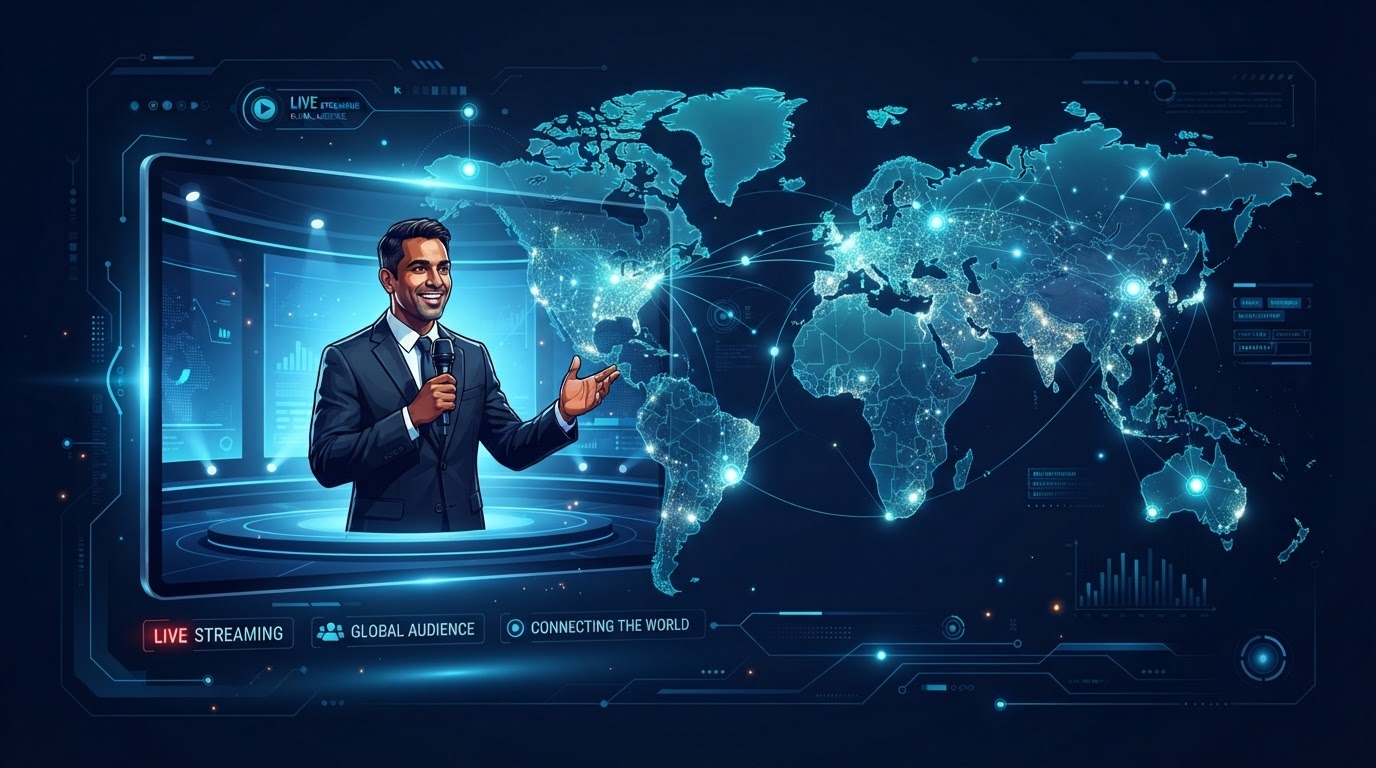

An evergreen webinar is a pre-recorded presentation that plays on a recurring schedule, giving each attendee the experience of a live event without requiring the presenter to be present. The attendee registers, picks a time, and watches what feels like a live session. Behind the scenes, the same recording plays to every cohort.
The appeal is obvious. You record once. The webinar runs forever. Prospects can attend on their schedule, not yours. The presentation scales without your time. For businesses that depend on webinars for lead generation or sales, evergreen is the format that makes the model sustainable.
But evergreen webinars have a structural weakness that has limited their effectiveness for years: the chat is silent. An attendee asks a question and gets no response. The presentation keeps playing. The attendee realizes no one is there. The trust the webinar was building collapses in that moment of silence.
How evergreen webinars work
The mechanics are straightforward. You create a presentation — slides and a script. You record it or have an AI presenter deliver it. You build a registration page. When someone registers, they see a calendar of upcoming session times. They pick one. At that time, the webinar plays. Afterward, follow-up emails drive them toward the next step.
The session times create urgency. Even though the webinar is recorded, the attendee commits to a specific time. They show up. They watch. The fixed schedule produces higher perceived value than a replay link, because the attendee experiences it as an event, not a video.
The three formats of automated webinars
Evergreen is one format within the broader category of automated webinars. Understanding the differences helps you choose the right one for your funnel.
- Evergreen — plays on a recurring schedule (e.g., every Tuesday and Thursday). The attendee picks a future time and waits for it.
- Just-in-time — starts shortly after registration, often within minutes. The attendee does not wait; they attend while their interest is highest.
- Like-live — simulates a live event with a countdown, chat, and timed elements, but the presentation is pre-recorded.
Evergreen creates anticipation but risks no-shows — the longer the wait, the more intent decays. Just-in-time captures intent at its peak but requires the attendee to be available immediately. Like-live creates the strongest event feel but is the most complex to produce. Most businesses benefit from running multiple formats from the same presentation, testing which converts best for their audience.
The chat problem — and how AI solves it
The silent chat is the reason many businesses tried evergreen webinars and abandoned them. The presentation was good. The registration page converted. But attendees dropped off when their questions went unanswered. The follow-up converted poorly because the attendees who stayed felt like they were watching a recording, not participating in an event.
AI Q&A changes this. When an attendee asks a question during an evergreen webinar, the AI answers it — in real time — using a knowledge base you provide. The question gets a response. The attendee feels heard. The experience becomes interactive, not passive. The same evergreen recording that used to feel abandoned now feels attended.
This is the shift that makes evergreen webinars viable for businesses that previously could not justify them. The presentation scales without your time. The engagement scales without your presence. Automated does not have to mean unattended.
The combination that works: evergreen scheduling for scalability, just-in-time options for high-intent prospects, and AI Q&A for engagement. One presentation. Multiple formats. Questions answered. Follow-up automated.
Building an evergreen webinar funnel
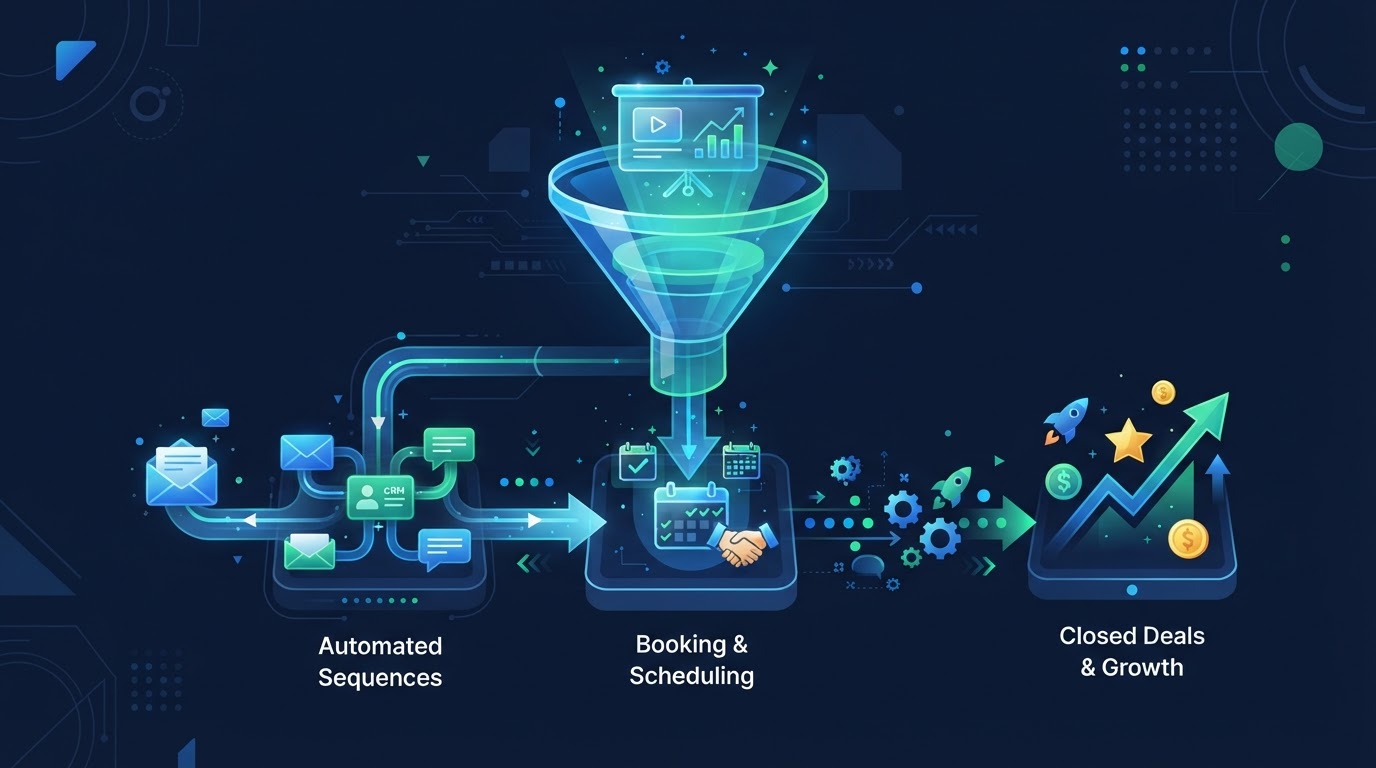
A complete evergreen funnel has five components. Each can leak, and each should be measured.
- Registration page — converts visitors to registrants. Measure registration rate.
- Session attendance — converts registrants to attendees. Measure attendance rate.
- Engagement — converts attendees to interested prospects. Measure questions asked and watch time.
- Offer — converts interested prospects to action-takers. Measure offer click-through rate.
- Follow-up — converts action-takers to customers. Measure booking or purchase rate.
The most common leak is between registration and attendance. The attendee registers, waits days for the session, and loses interest. Just-in-time options address this by starting the session shortly after registration, capturing intent at its peak. The second most common leak is the silent chat, which AI Q&A addresses. Fix those two, and the rest of the funnel performs dramatically better.
When evergreen webinars are the wrong choice
Evergreen is not right for every situation. If your presentation changes frequently — weekly product updates, market commentary, time-sensitive content — a live format is more appropriate. If your sale requires a human conversation to build trust — high-ticket consulting, complex enterprise deals — the webinar should feed into a personal consultation, not attempt to close directly.
Evergreen works best when the core educational content is stable, the audience is large enough to sustain continuous sessions, and the offer can be presented clearly without a human in the room. Product demos, educational presentations, and methodology overviews fit this profile. Time-sensitive announcements and relationship-driven sales do not.
See AI webinars in action
Watch how WebinarBoostAi creates, presents, and engages with webinars using AI.
Book A DemoFrequently Asked Questions
What is an evergreen webinar?
An evergreen webinar is a pre-recorded presentation that plays on a recurring schedule. Attendees register, pick a session time, and watch what feels like a live event. The same recording plays to every cohort, allowing the presentation to scale without the presenter being present.
Do evergreen webinars still work?
Yes, especially with AI Q&A. The traditional weakness of evergreen webinars — the silent chat where attendee questions went unanswered — is solved by AI that answers questions in real time. This makes the experience interactive and restores the trust that silent chats eroded.
What is the difference between evergreen and just-in-time webinars?
Evergreen webinars play on a recurring schedule — the attendee picks a future time and waits. Just-in-time webinars start shortly after registration, often within minutes, capturing the attendee's interest at its peak before it decays.
How do I build an evergreen webinar funnel?
Build five components: a registration page, session scheduling, engagement (ideally with AI Q&A), an offer with a clear call to action, and behavioral follow-up that sends different messages based on what each attendee did. Measure conversion at each stage.
When should I not use evergreen webinars?
Avoid evergreen when your content changes frequently, when the sale requires a human conversation to build trust, or when the audience is too small to sustain continuous sessions. Evergreen works best for stable educational content with a clear, self-service offer.